
Introduction to Personal Finance in Your 20s
Entering your 20s is a significant milestone characterized by new experiences, responsibilities, and financial choices that can set the tone for years to come. Understanding personal finance during this transformative decade is crucial, as it serves as the foundation for future financial stability. Young adults often encounter unique financial struggles, including student debt, entry-level salaries, and the challenge of establishing credit. These factors can contribute to overwhelming stress if not managed proactively.
The importance of making informed financial decisions in your 20s cannot be overstated. When young adults actively engage with their finances, they gain the ability to budget effectively, save for emergencies, and invest for the future. Each of these practices contributes to financial literacy, which empowers individuals to navigate complex financial landscapes that will inevitably arise later in life.
Common financial challenges faced by those in their 20s include the pressure to maintain a particular lifestyle, often exacerbated by social media influences. This lifestyle inflation can lead to spending more than what one earns, resulting in credit card debt and other liabilities. By recognizing these pitfalls early, young adults can adopt strategies to resist these temptations, allowing them to prioritize essential payments such as rent, utilities, and saving for retirement.
Ultimately, establishing good financial habits in your 20s paves the way for a more secure financial future. It is vital to lay down this groundwork, as the decisions made now not only affect immediate circumstances but also have long-lasting effects. By taking control of personal finances today, young adults can ensure they are better equipped to handle the challenges that lie ahead.
Common Financial Mistakes in Your 20s
Entering one’s 20s is often regarded as a time of newfound freedom, but it can also be fraught with a myriad of financial mistakes. One common pitfall is overspending, which is frequently driven by the influence of social media and societal expectations. Young adults may feel pressured to keep up with their peers by dining out regularly, purchasing the latest fashion trends, or indulging in extravagant vacations. According to a 2021 survey, over 70% of millennials admitted to experiencing buyer’s remorse after impulsive purchases, highlighting the dangers of overspending.
Neglecting to prioritize savings is another prevalent issue among those in their 20s. With student loans and everyday living expenses often taking center stage, the importance of building a financial cushion can fall by the wayside. The National Savings rate pegs that individuals aged 25-34 save on average only 8% of their income, which is significantly lower than the recommended 20%. Without a savings strategy, young adults might struggle to cope with unexpected expenses such as medical emergencies or job loss.
Additionally, many individuals in their 20s find themselves living beyond their means. Often, an inflated lifestyle is fueled by credit card reliance, leading to growing debt. Research from the Federal Reserve indicates that approximately 40% of adults aged 18-29 carry credit card debt, with the average balance hovering around $3,500. This reliance on credit can create a cycle of debt that feels almost impossible to break, particularly as interest compounds. As a result, facing the long-term consequences of these financial mistakes may become increasingly challenging, impacting overall financial stability well into the future.
The Importance of an Emergency Fund
An emergency fund is a vital component of a sound personal finance strategy, particularly for individuals in their 20s. An emergency fund is defined as a dedicated savings account that provides financial security during unforeseen events such as medical emergencies, job loss, or urgent home repairs. By having this safety net, young adults can reduce the potential impact of sudden expenses on their overall financial stability.
The primary function of an emergency fund is to prevent individuals from falling into debt during emergencies. Instead of relying on credit cards or loans that can exacerbate financial troubles, having readily accessible funds allows individuals to address urgent situations without incurring additional liabilities. Recognizing the significance of an emergency fund early on can instill good saving habits that will benefit young adults throughout their lives.
Building an emergency fund requires careful planning and discipline. A common guideline is to aim for three to six months’ worth of living expenses, which can provide a comfortable cushion during challenging times. This amount may vary based on individual circumstances and risk tolerance, but it serves as a solid starting point. Individuals should calculate their monthly expenses and set a specific savings target.
To build an effective emergency fund, consider setting up a separate savings account to avoid the temptation of using these funds for non-emergencies. Automating transfers to this account each month can ensure consistent savings. Additionally, individuals should periodically reevaluate their financial situation and adjust their fund goals as necessary. In case of emergencies, it is essential to know how to access these funds quickly to manage the situation efficiently. Having a well-established emergency fund not only offers peace of mind but also supports long-term financial health.
Understanding Insurance Needs
As young adults navigate their financial landscape, understanding insurance needs becomes crucial. Numerous types of insurance are available, and choosing the right coverage can significantly impact one’s financial well-being. Key types of insurance that individuals in their 20s should consider include health, auto, renters, and life insurance.
Health insurance is paramount for maintaining well-being and mitigating unexpected medical expenses. Young adults should assess their health risks, existing medical conditions, and budget to determine the ideal policy. Options may range from employer-sponsored plans to individual insurance plans purchased through the marketplace. Ensuring adequate coverage can prevent overwhelming financial burdens arising from hospital bills or urgent care visits.
Auto insurance is another essential consideration for those who own or operate a vehicle. This insurance protects against financial loss resulting from accidents, theft, or liability claims. Young drivers should compare various policies, focusing on minimum coverage requirements for their state and potential discounts for safe driving or bundling with other types of insurance.
Renters insurance, while often overlooked, offers vital protection for personal belongings and liability coverage in rental properties. This type of insurance can safeguard against unexpected events, such as theft or natural disasters. Young adults should evaluate the value of their possessions and select a policy that offers sufficient coverage without unnecessary excess.
Lastly, life insurance, although it may seem premature for individuals in their 20s, can be an excellent financial tool, especially for those with dependents or significant debt. Term life insurance is a cost-effective option, providing coverage for a specified period. Assessing personal circumstances can help determine whether life insurance is a necessary component of a financial strategy.
Going uninsured can lead to severe financial repercussions, leaving young adults vulnerable to unexpected costs. Thus, understanding insurance needs and selecting appropriate coverage is a prudent step towards financial security in one’s 20s.
Debt Management: Student Loans and Beyond
Managing debt effectively is a significant challenge for many individuals in their 20s, especially in a time when student loans have become increasingly common. As one embarks on their journey into adulthood, dealing with financial obligations such as student loans, credit cards, and personal debts is often overwhelming. Understanding these liabilities and developing robust management strategies is crucial for maintaining financial stability.
Student loans are typically the most substantial form of debt that young adults accrue. These loans often come with high-interest rates, making timely repayments essential to prevent escalating debt. A popular strategy for managing debt is the snowball method, which involves paying off smaller debts first while making minimum payments on larger debts. This method can foster motivation as individuals celebrate small victories. Conversely, the avalanche method focuses on paying off debts with the highest interest rates first, potentially saving money over time. Choosing the right approach depends on an individual’s personal preference and financial situation, but both methods require discipline and commitment.
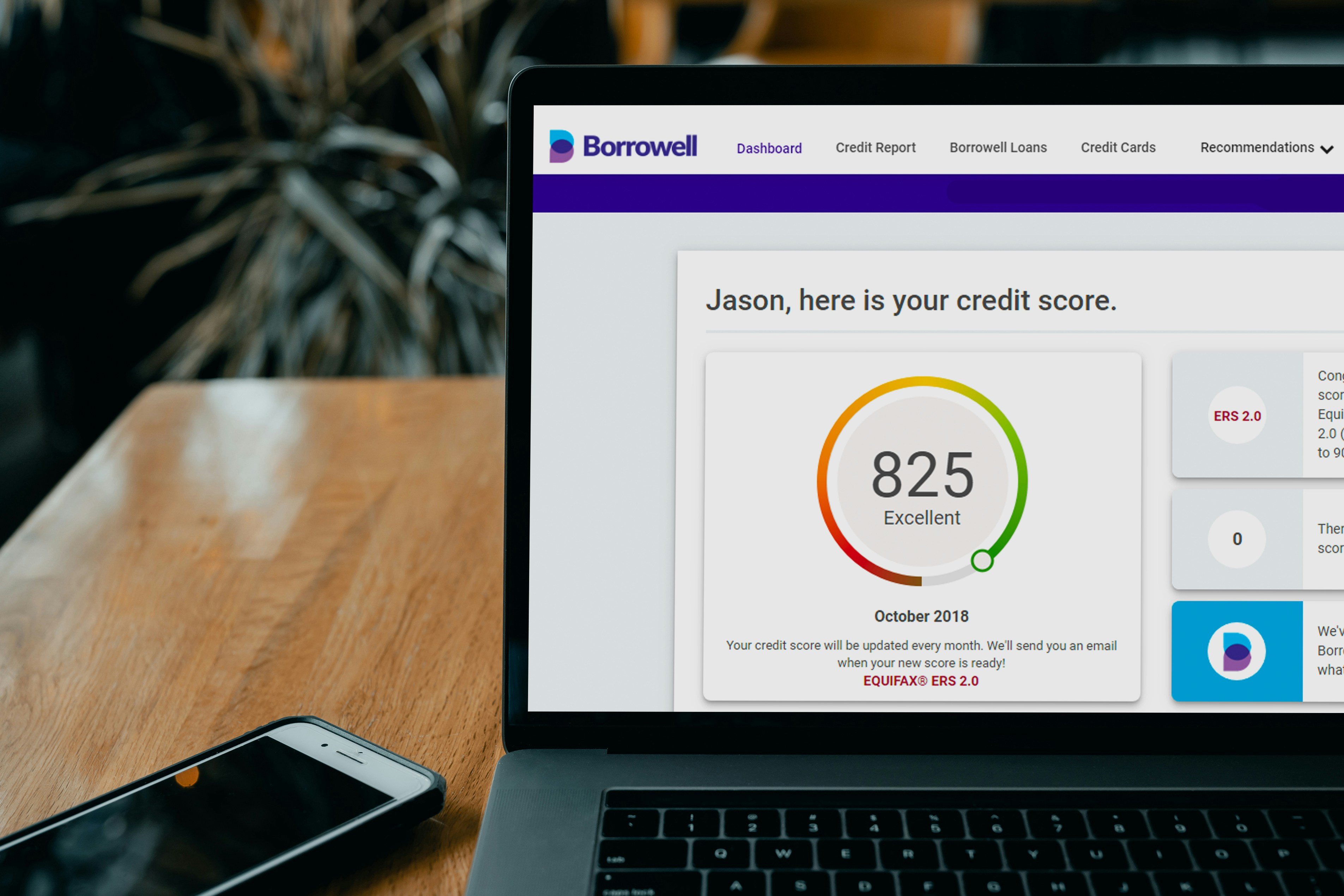
Furthermore, credit card debt can be particularly insidious due to high interest rates and the temptation to overspend. Young adults should strive to use credit cards wisely, ensuring they can pay off the balance in full each month to avoid interest charges. Understanding the implications of credit scores is also vital; a good credit score can lower borrowing costs and open doors to future financial opportunities, while bad credit can limit options and increase expenses.
In conclusion, effective debt management in one’s 20s is essential for building a solid financial foundation. By employing strategies such as the snowball and avalanche methods, young adults can take control of their financial futures while maintaining or improving their credit health. Addressing debt responsibly will equip them with valuable skills and insights as they navigate further financial challenges in life.
The Impact of Lifestyle Inflation
Lifestyle inflation refers to the phenomenon where individuals increase their spending as their income rises. This behavior often leads to a vicious cycle, where financial health deteriorates despite a growing salary. As young professionals or recent graduates enter the workforce and begin to earn income, the temptation to enhance their lifestyle can be overpowering. Whether it’s upgrading to a fancier apartment, dining out more frequently, or indulging in luxury goods, these adjustments can quickly lead to unsustainable financial habits.
One of the major challenges posed by lifestyle inflation is that it can prevent individuals from saving adequately or building a solid financial foundation. When income increases are met with equivalent or greater spending increases, there is little margin left for savings, investments, or emergency funds. This can lead to financial instability, especially in the event of unexpected expenses or job loss.
To counter lifestyle inflation, it is crucial to adopt a mindful approach toward spending. One effective strategy is to establish a budget that outlines fixed and discretionary expenses. By clearly defining essential expenditures and prioritizing savings, individuals can create a more balanced financial framework. Moreover, committing to a fixed percentage of income to savings can help ensure that financial goals are met, irrespective of income changes.
Additionally, developing a habit of delayed gratification can significantly mitigate the risks associated with lifestyle inflation. Before making purchases, consider waiting a few days to assess if the item is genuinely necessary. By focusing on long-term goals rather than immediate wants, individuals can maintain control over their financial situation and ultimately build wealth over time.
Saving for Retirement Early
Saving for retirement in your 20s is a crucial step that can significantly impact your financial future. Many young adults mistakenly believe that retirement is far off and that they can delay saving. However, starting early allows individuals to harness the power of compound interest, which can substantially increase savings over time. Compound interest occurs when the interest earned on an investment is reinvested, generating additional interest. This multiplier effect can lead to an exponential growth of your retirement savings, making early contributions particularly valuable.
In the United States, there are various retirement savings accounts available, including 401(k) plans and Individual Retirement Accounts (IRAs). A 401(k) is often sponsored by an employer and allows employees to contribute a portion of their salary before taxes are taken out. Many employers also match a percentage of contributions, which can be viewed as ‘free money’ to boost your retirement fund. On the other hand, IRAs can be opened independently and come in several types, including traditional and Roth IRAs, each with distinct tax advantages. Understanding these options helps individuals to choose the right account based on their financial situation and retirement goals.
To begin saving for retirement, you do not need to put away a substantial amount immediately. Even setting aside a small portion of your income can lead to meaningful savings over time. Consider automating your contributions, such as setting up a direct deposit into your retirement account. This approach can simplify the process and helps individuals save consistently without thinking about it. Additionally, periodically reviewing and adjusting your contributions as your financial situation improves can enhance your retirement fund. In conclusion, taking action now, no matter how modest, can lead to significant financial security in the later stages of life, making early retirement savings a wise choice.
Developing a Financial Plan
Creating a personal financial plan is essential for individuals in their 20s, as it lays the foundation for financial stability and future wealth. This process not only involves budgeting but also encompasses saving, investing, and setting achievable financial goals. The following steps provide a comprehensive guide to developing a personalized financial plan that aligns with individual life aspirations.
Firstly, assess your current financial situation. Begin by listing your income sources, including salaries, bonuses, or side gigs, and document your monthly expenses, such as rent, utilities, groceries, and discretionary spending. A clear overview will help you understand where your money is going and identify areas where you can cut back. This is a vital aspect of budgeting that ensures you live within your means.
Next, establish your financial goals. These could range from short-term objectives, such as saving for a vacation, to long-term aspirations like purchasing a home or planning for retirement. Prioritizing these goals will give you direction and motivation while tracking your progress.
Once your goals are set, it’s time to create a budget. Allocate your income to various categories—essentials, savings, and discretionary expenses—using methods like the 50/30/20 rule, which recommends spending 50% on needs, 30% on wants, and saving 20% of your income. This approach not only fosters responsible spending habits but also encourages saving and investment.
Investing is another critical aspect of a financial plan. Consider contributing to retirement accounts, such as a 401(k) or Roth IRA, as early as possible to take advantage of compound interest. Furthermore, educate yourself on other investment vehicles, such as stocks, bonds, or real estate, depending on your risk tolerance and financial goals.
By systematically following these steps, individuals in their 20s can develop a robust financial plan that not only addresses their current financial needs but also sets the stage for future financial success. Recognizing and adhering to these principles will help navigate the complexities of personal finance and avoid common pitfalls.
Conclusion: Building a Bright Financial Future
As we reflect on the various personal finance mistakes that can be made in one’s 20s, it becomes clear that these early years are critical for setting the foundation for long-term financial stability. The key takeaways highlight the importance of establishing a budget, being mindful of debt accumulation, and recognizing the necessity of savings and investments. Many young adults often overlook these aspects, believing that they can afford to delay financial planning. However, failing to take proactive measures can lead to significant challenges down the road.
Another vital aspect discussed is the impact of lifestyle inflation. As income increases, the tendency to spend more frequently leads to a cycle of financial imprudence. It is important to resist this temptation and instead focus on maintaining frugal habits that promote wealth accumulation. Additionally, educating oneself on financial literacy can greatly enhance decision-making processes regarding loans, credit, and investments.
Readers are encouraged to begin implementing these strategies immediately. It is never too late to change one’s financial trajectory, and small steps taken today can yield substantial benefits in the future. By avoiding common pitfalls such as overspending, neglecting savings, and underestimating the power of compound interest, individuals can work towards achieving their financial goals.
In conclusion, building a bright financial future requires diligence, education, and foresight. By adhering to sound financial practices and making informed decisions, young adults can avoid the mistakes that many before them have encountered. Starting to take these proactive steps today is the key to ensuring a secure and prosperous tomorrow.