Understanding Credit Scores
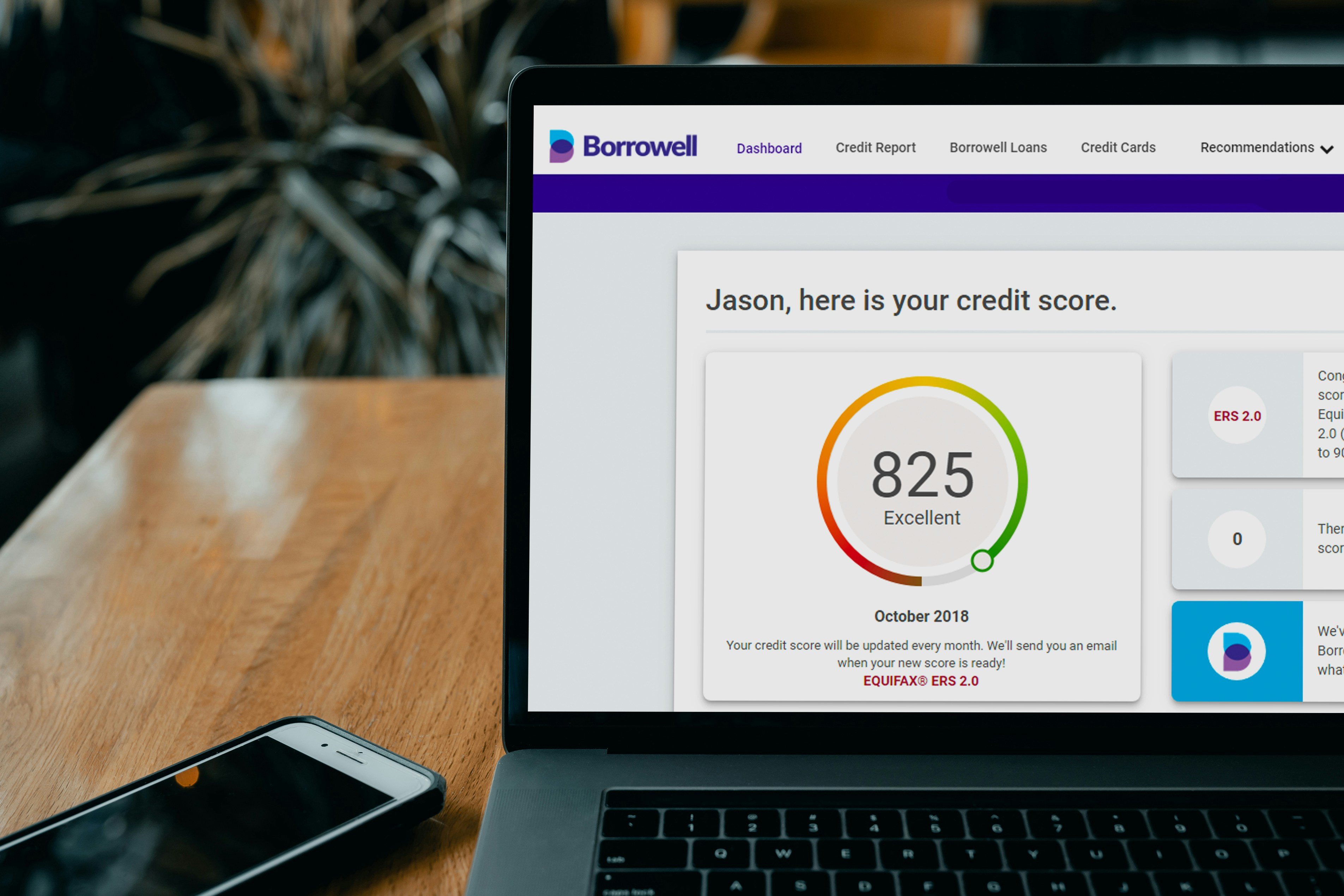
A credit score is a numerical representation of an individual’s creditworthiness, derived from their credit history. It is calculated using various factors, including payment history, amounts owed, length of credit history, new credit, and types of credit used. These factors are weighed according to a specific algorithm, resulting in a score that typically ranges from 300 to 850. In general, a higher score indicates lower credit risk, while a lower score suggests a potential for default.
Credit scores fall into several categories, which are commonly classified as poor (300-579), fair (580-669), good (670-739), very good (740-799), and excellent (800-850). Each category represents a different level of perceived risk to lenders, and scores below 670 are often considered sub-optimal for securing favorable loan terms. For instance, borrowers with higher scores are more likely to qualify for lower interest rates, which can lead to significant savings over the life of a loan. Conversely, lower scores can limit access to credit or result in higher borrowing costs.
The significance of a good credit score extends beyond just loan approvals; it impacts various aspects of financial health. Landlords may check credit scores when deciding on rental applications, and insurance companies might consider credit ratings when calculating premiums. Additionally, potential employers in some fields may review credit history as part of their job application process. Therefore, maintaining a healthy credit score is crucial for individuals, as it can offer favorable financial opportunities and enhance overall financial stability.
The Impact of Credit Utilization
Credit utilization is a crucial component of your overall credit score, encompassing the ratio of your current credit card balances to your credit limits. Specifically, it measures how much credit you are using compared to the total available credit on your cards. Lenders often look at this metric as an indicator of your risk level; a lower credit utilization rate typically signals responsible credit management and can lead to a favorable credit score.
Experts recommend maintaining a credit utilization ratio below 30%. For instance, if you have a total credit limit of $10,000, keeping your combined credit card balances under $3,000 is advisable. Exceeding this threshold can negatively impact your credit score, signaling potential financial strain to lenders. Hence, periodic assessments of your credit utilization can enable you to maintain a healthy balance.
To effectively manage your credit utilization, consider implementing these strategies: First, pay down your existing credit card balances regularly. This proactive approach not only decreases your utilization ratio but also enhances your creditworthiness. Second, request credit limit increases on your credit cards when possible. A higher limit allows for greater financial flexibility while automatically lowering your utilization rate, provided your spending habits remain consistent.
Another effective method is to spread your expenses across multiple credit accounts instead of relying heavily on one. This diversification can help maintain lower utilization rates on individual accounts. Additionally, consider making multiple payments within a billing cycle. Frequent payments reduce the average balance reported to credit bureaus, contributing favorably to your credit profile.
By understanding and actively managing your credit utilization, you can significantly improve your overall credit score, making it easier to secure favorable loan terms and interest rates in the future.
The Importance of Timely Repayments
Payment history is one of the most critical factors in determining one’s credit score. It accounts for approximately 35% of the overall score and is often seen as a reflection of a borrower’s reliability and financial behavior. Timely repayments are essential as they indicate responsibility in managing credit obligations. Conversely, missed or late payments can significantly damage one’s creditworthiness, leading to lower credit scores and potential difficulties when seeking new credit or loans.
Each instance of late payment can remain on a credit report for up to seven years, which can have a prolonged impact on one’s ability to secure favorable loan terms in the future. Moreover, creditors and lenders use credit scores as a criterion for assessing risk; thus, a history of late payments may result in higher interest rates or declined applications.
To ensure timely repayments and mitigate the risk of falling behind, individuals can implement several strategies. One effective method is to set reminders for payment due dates, which can be easily managed via smartphone apps or calendar alerts. Additionally, establishing automated payments can further simplify the process, eliminating the chance of oversight. This approach not only helps in maintaining a clean payment record but also assists in budgeting, ensuring that sufficient funds are available to cover monthly obligations.
In conclusion, prioritizing timely repayments should be a fundamental part of personal financial management. By understanding the implications of payment history on credit scores and employing strategies to promote punctuality, individuals can significantly enhance their credit profiles and achieve their financial objectives.
Common Mistakes That Harm Your Credit Score
Improving a credit score is a process that requires diligence and awareness of common pitfalls. One frequent mistake that can significantly affect your credit score is making late payments. Payment history comprises a substantial portion of your credit score calculation; therefore, consistently paying bills after their due dates can have a detrimental effect. To mitigate this risk, one effective strategy is to set up automatic payments or reminders, ensuring that you never miss a payment deadline.
Another significant factor that can harm your credit score is high credit utilization, which refers to the ratio of your credit card balances to credit limits. It is recommended to keep this ratio below 30 percent. When you consistently utilize a high percentage of your available credit, it may signal to lenders that you are over-reliant on credit, thus potentially lowering your score. To manage credit utilization, consider paying off balances in full each month and requesting credit limit increases from your card issuer.
Additionally, applying for too much credit at once can adversely affect your credit score. Each time you apply for a new line of credit, a hard inquiry is made on your credit report, which can lower your score temporarily. Potential lenders may interpret multiple inquiries as an indication of financial distress, exacerbating the issue. It is advisable to space out credit applications and only apply for new credit when necessary.
Lastly, errors found on credit reports can also harm your credit score. These inaccuracies can stem from mixed-up identities, clerical mistakes, or outdated information. Regularly monitoring your credit report for errors and disputing them immediately can help ensure that your credit history is accurately reflected.
Strategies for Improving Your Credit Score
Enhancing your credit score is a vital process that can yield substantial long-term benefits. One of the most effective strategies is to create a detailed budget that allows you to track your income and expenditures meticulously. By understanding your financial situation, you can allocate funds to pay off outstanding debts, prioritizing those that are either high-interest or significantly impacting your credit score.
Paying off debts is critical, particularly high-credit-utilization accounts. To boost your credit rating, consider strategies such as the snowball or avalanche method, which involve focusing on either the smallest debts first or those with the highest interest rates, respectively. Minimizing your debt load not only helps improve your credit score but also reduces overall financial stress.
Another essential strategy includes negotiating with creditors. If you are struggling to meet your financial obligations, communicating openly with your creditors may yield options like lower interest rates or revised payment plans. Many lenders are willing to work with customers who demonstrate a commitment to resolving their debts and improving their credit situation.
Additionally, consider increasing your credit limits judiciously. This approach can lower your credit utilization ratio, a key factor in determining your credit score. However, it is paramount to manage these increased limits responsibly; avoid utilizing additional credit irresponsibly, as this can counteract the positive effects of a higher limit on your credit score.
Overall, consistently applying these strategies, such as creating a budget, paying off debts, negotiating effectively, and increasing credit limits when appropriate, can serve as important steps toward improving your credit score over time. Maintaining discipline in these areas will ultimately lead to significant enhancements in your financial credibility.
Monitoring Your Credit Report
Regularly checking your credit report is a crucial step in managing your financial health and improving your credit score. Your credit report is a comprehensive record of your credit history, and it is used by lenders to determine your creditworthiness. Errors or inaccuracies on your report can lead to unfavorable lending terms or even denied applications, making the monitoring of your credit report essential.
To access your credit report, you can obtain free copies annually from the three major credit bureaus: Experian, TransUnion, and Equifax. This free access is a right granted under the Fair Credit Reporting Act (FCRA). It is advisable to stagger your requests throughout the year; for instance, obtaining one report every four months can assist you in monitoring your credit regularly without incurring any costs.
When reviewing your credit report, pay close attention to the details. Verify that all accounts listed are accurate and that there are no unauthorized inquiries or accounts. If you discover any discrepancies, it is important to dispute these inaccuracies promptly. You can initiate a dispute directly with the credit bureau that generated the report. Typically, you will need to provide documentation supporting your claim. The bureau is required to investigate the dispute and respond within a specified timeframe.
Monitoring your credit report not only helps maintain accuracy but also provides insight into your financial behavior. By regularly reviewing your credit report, you can identify trends, such as improving payment habits or increasing credit utilization, that may affect your credit score over time. Implementing a routine to check your report ultimately empowers you in your financial decision-making, leading to better credit health.
The Long-Term Benefits of a Good Credit Score
Maintaining a good credit score is essential for individuals aiming to achieve long-term financial stability. One of the key advantages of having a favorable credit score is the ability to secure lower interest rates on loans. Lenders often assess creditworthiness through credit scores, and those with higher ratings typically qualify for more competitive rates. This can translate into substantial savings over the life of a loan, particularly for significant purchases such as a home or a vehicle.
Complementing lower interest rates, individuals with good credit scores also gain access to broader loan options. Lenders are more willing to extend loans to borrowers who demonstrate reliability in managing their credit. This aspect is particularly beneficial when seeking mortgage loans or personal loans, allowing borrowers to choose from various financial institutions and find the deal that suits them best. The ability to shop around for loans can yield better terms and conditions, further enhancing financial well-being.
Additionally, a good credit score can positively impact insurance premiums. Many insurance companies use credit scores as a factor in determining the rates they offer to customers. Hence, those with better credit histories might qualify for lower premiums on auto and homeowners insurance. This not only leads to monthly savings but also facilitates better management of overall financial obligations.
Furthermore, having a good credit score can enhance one’s credibility in various financial contexts. It signals reliability and responsibility, enabling individuals to negotiate terms that could lead to more favorable financial situations in the future. As such, cultivating and maintaining a good credit score is not merely an immediate concern; it is an investment in long-term financial freedom and stability.
Resources for Credit Improvement
Improving one’s credit score is a journey that can be greatly aided by utilizing a variety of resources available to consumers. These resources include credit counseling services, financial education platforms, and online tools tailored to assist individuals in their quest for enhanced financial health.
One significant resource is credit counseling services. Many non-profit organizations offer free or low-cost counseling to help consumers understand their credit reports, establish budgets, and develop a personalized plan for improvement. National Foundation for Credit Counseling (NFCC) and Credit.org are notable examples that provide qualified counselors to assist individuals in navigating their credit landscape.
In addition to counseling services, several financial education platforms can provide valuable insights into managing finances effectively. Websites such as My Financial Goals and Consumer.gov offer articles, courses, and interactive tools that cover various topics related to credit management. These platforms serve to educate consumers about the factors that affect their credit scores and offer strategies to optimize their credit profiles.
Moreover, there are numerous online tools that can be used to track credit scores and monitor changes over time. Services like Credit Karma and NerdWallet provide free credit score tracking, along with insights on how specific actions may impact scores. These tools can help individuals stay informed about their credit standing and take actionable steps to improve their scores.
Using these resources collectively creates a comprehensive approach to credit improvement. By leveraging the expertise of professionals, gaining knowledge through educational platforms, and utilizing online tools, individuals can approach their credit management more effectively and avoid common pitfalls that may hinder their progress.
Conclusion: Taking Charge of Your Credit Health
In reviewing the importance of a good credit score, it is essential to recognize that managing and improving this score is a proactive responsibility. The credit score not only determines the interest rates on loans and credit cards but also influences rental applications and some employment opportunities. Understanding the key components that affect your credit score—such as payment history, credit utilization, length of credit history, new credit inquiries, and types of credit used—is crucial in maintaining a healthy credit profile.
In this blog post, we have explored several practical tips to enhance your credit score. Regularly checking your credit report for errors, consistently paying bills on time, and keeping credit card balances low are fundamental steps that can lead to significant improvements. Additionally, it’s beneficial to avoid common pitfalls such as closing old accounts or applying for excessive new credit, both of which can negatively impact your overall credit health.
The road to a better credit score is not a sprint but a marathon. It requires consistent effort and attention to detail. By taking these actionable steps and being mindful of your credit habits, you can build a robust credit profile that will serve not only your present financial endeavors but also your future aspirations. Remember, it is possible to improve your credit score over time with diligent management.
Ultimately, taking charge of your credit health is a vital part of your overall financial wellbeing. Start implementing these strategies today, and empower yourself to achieve a better credit score tomorrow.